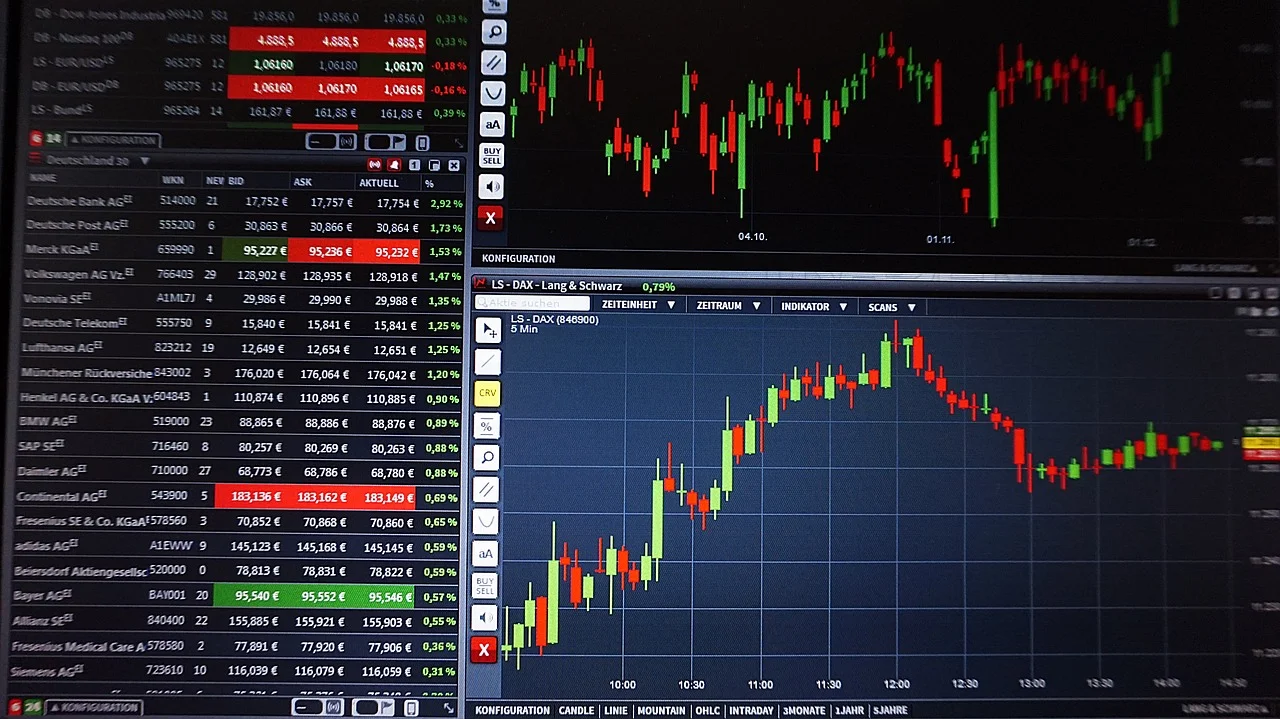

Welcome to our comprehensive guide on how crypto exchanges work. At [Our Website], we strive to provide you with the most valuable insights into the world of cryptocurrencies. In this article, we will delve into the inner workings of crypto exchanges, exploring their functionalities, security measures, and the process of buying and selling cryptocurrencies. Whether you’re a beginner or an experienced trader, this guide will equip you with the knowledge needed to navigate the exciting realm of crypto exchanges.
Understanding Crypto Exchanges
What Are Crypto Exchanges?
Crypto exchanges serve as digital marketplaces where individuals can buy, sell, and trade cryptocurrencies. These platforms facilitate the conversion of traditional fiat currencies, such as the US dollar or Euro, into digital assets like Bitcoin, Ethereum, and more. With the growing popularity of cryptocurrencies, exchanges play a pivotal role in enabling seamless transactions and fostering liquidity within the crypto market.
Types of Crypto Exchanges
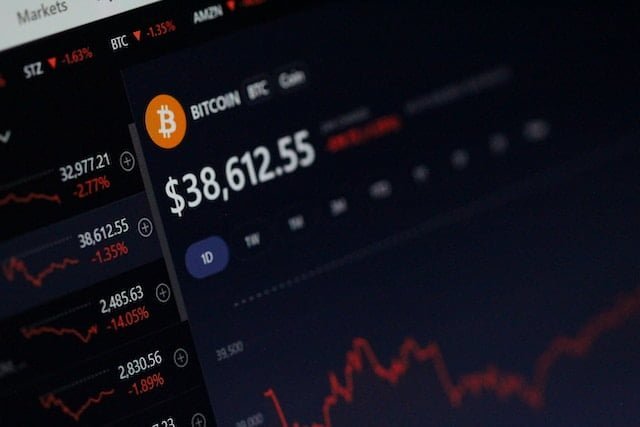
- Centralized Exchanges: Centralized exchanges (CEX) are the most common type of crypto exchange. They act as intermediaries, holding custody of users’ funds and executing trades on their behalf. CEXs offer a user-friendly interface, high liquidity, and a wide range of available cryptocurrencies. However, due to their centralized nature, they may be vulnerable to hacking and carry a level of trust requirement.
- Decentralized Exchanges: Decentralized exchanges (DEX) operate on blockchain technology, eliminating the need for intermediaries. These platforms enable peer-to-peer trading, allowing users to retain control of their funds throughout the process. DEXs provide enhanced security and privacy, as well as greater resistance to censorship. However, they may have lower liquidity and limited trading options compared to centralized exchanges.
The Functioning of Crypto Exchanges
Account Creation and Verification
To begin trading on a crypto exchange, users typically need to create an account. The registration process involves providing personal information, such as name, email address, and sometimes, proof of identification. Some exchanges may require a Know Your Customer (KYC) verification process to comply with regulatory standards and prevent fraudulent activities.
Wallets and Fund Management
Upon successful registration, users are provided with a digital wallet within the exchange platform. Wallets store users’ cryptocurrencies, allowing them to deposit, withdraw, and manage their funds. It’s crucial to choose a secure exchange that implements robust security measures, such as cold storage wallets and two-factor authentication, to safeguard your assets.
Market Orders and Trading
Crypto exchanges offer various order types to cater to traders’ needs. The most common order types include:
- Market Orders: Buying or selling cryptocurrencies at the prevailing market price.
- Limit Orders: Setting a specific price at which to buy or sell a cryptocurrency.
- Stop Orders: Triggering a trade when the market reaches a specified price.
Understanding these order types is vital for executing trades effectively and maximizing your potential returns. Traders can also engage in margin trading, futures contracts, and other advanced trading options offered by certain exchanges.
Liquidity and Order Books
Liquidity is a crucial factor when it comes to trading on crypto exchanges. It determines how easily an asset can be bought or sold without significantly impacting its price. Exchanges with high liquidity provide ample trading opportunities and tighter bid-ask spreads, ensuring efficient transactions. Order books display current buy and sell orders, allowing traders to assess market depth and make informed trading decisions.
Fees and Security
Crypto exchanges charge fees for their services, which can vary depending on factors such as trading volume, order type, and membership tiers. Common fee structures include maker/taker fees, where makers provide liquidity and pay lower fees, while takers execute trades and pay higher fees.
Security is of utmost importance when it comes to crypto exchanges. Reputable exchanges prioritize security measures to protect users’ funds and personal information. Some common security practices implemented by exchanges include:
- Two-Factor Authentication (2FA): Adding an extra layer of security by requiring users to provide a second form of authentication, such as a unique code from a mobile app, in addition to their login credentials.
- Cold Storage: Storing the majority of users’ funds in offline wallets that are not connected to the internet, mitigating the risk of online hacking.
- Encryption: Encrypting sensitive data, such as passwords and private keys, to prevent unauthorized access.
- Distributed Denial-of-Service (DDoS) Protection: Implementing measures to protect against DDoS attacks, which can disrupt the availability of the exchange.
Buying and Selling Cryptocurrencies
Deposits and Withdrawals
To start trading, users need to deposit funds into their exchange account. Crypto exchanges offer various deposit methods, including bank transfers, credit/debit cards, and sometimes even support for other cryptocurrencies. It’s important to consider transaction fees, processing times, and available deposit options when choosing an exchange.
Likewise, when it comes to withdrawals, exchanges provide options for users to transfer their funds back to their personal wallets or bank accounts. Withdrawal fees and processing times may vary depending on the exchange and the chosen withdrawal method.
Order Execution and Trading Pairs
Crypto exchanges support trading pairs, which represent the cryptocurrencies that can be traded against each other. For example, a popular trading pair is Bitcoin (BTC) and Ethereum (ETH). When placing a trade, users select the desired trading pair and specify the amount and price at which they wish to buy or sell.
The exchange matches buy and sell orders from different traders and executes them accordingly. The execution process may vary depending on the exchange’s order matching algorithm, which aims to provide fair and efficient trading opportunities.
Market Analysis and Tools
Successful trading often requires careful analysis and the use of various tools available on crypto exchanges. These tools can include:
- Charts and Indicators: Providing visual representations of price movements and technical indicators to assist in making informed trading decisions.
- Order History: Displaying past trades executed on the exchange, allowing users to analyze market trends and assess the trading activities of other participants.
- Trading APIs: Enabling users to integrate third-party trading bots or develop their own algorithmic trading strategies.
By utilizing these tools, traders can gain insights into market trends, identify potential entry and exit points, and develop effective trading strategies.
Conclusion
In conclusion, understanding how crypto exchanges work is essential for anyone looking to engage in cryptocurrency trading. In this comprehensive guide, we have explored the fundamental aspects of crypto exchanges, including their types, functionalities, security measures, and the process of buying and selling cryptocurrencies.
Remember to choose reputable exchanges that prioritize security and provide a user-friendly trading experience. Conduct thorough research, consider factors such as fees, liquidity, and available trading pairs before selecting an exchange that best suits your needs.
Armed with this knowledge, you are now better equipped to navigate the exciting world of crypto exchanges and embark on your cryptocurrency trading journey. Stay informed, exercise caution, and always make well-informed decisions to maximize your potential in the dynamic and ever-evolving crypto market.
Here are some popular crypto exchanges . Visit each one and find out more.
Read Up On Binance: The Cryptocurrency Exchange That’s Changing the Game


 By
By
 By
By



 By
By
 By
By